
Why Melbourne Homes Are Switching to Electric Heating
.jpeg)
Major Benefits
For generations, the standard Melbourne home was built around a central gas heater. Most of us are used to the familiar click of a pilot light and the instant, heavy heat of a gas furnace. Victoria was, for a long time, the most gas-dependent state in Australia. However, as we move through 2026, a massive shift is occurring. Gas units are being decommissioned and sleek, high-efficiency electric heat pumps are taking their place.
This transition is a calculated move by savvy homeowners to escape rising utility costs, improve indoor health and take advantage of the substantial Victorian Energy Rebate currently available for those making the switch.
If you are sitting in a chilly lounge room wondering if your old gas ducted system is worth another expensive service or you should switch to electric air con with VEU rebate, this guide is for you.
Table of Contents
- What is Gas Heating?
- What is Electric Heating?
- Why is Gas Heating Dated in Melbourne?
- What are the Benefits of Switching to Electric Heating?
- Is Electric Heating Cheaper Than Gas in Melbourne?
- What Types of Electric Heating Systems Can You Choose From?
- Is Electric Heating Powerful Enough for Melbourne Winters?
- How to Switch from Gas to Electric
- Victorian Energy Rebate for Making the Switch
- Conclusion
- FAQs

To understand why so many people are moving away from gas, we first need to look at how these systems actually function. Gas heating in Melbourne typically comes in two forms: ducted central heating or localised space heaters.
These systems work through a process called combustion. They burn natural gas to heat a metal component known as a heat exchanger. Air is then blown over that hot metal and distributed into your rooms through a network of ducts or directly from the unit. While it feels powerful, it is a process that relies entirely on creating heat from scratch.
Because the system is burning fossil fuel, it creates a very dry heat that often leads to dry skin and eyes for the residents inside.
Modern electric heating, specifically the type we use in Melbourne today, is a marvel of engineering. We are talking about Reverse Cycle Air Conditioning, which utilises heat pump technology. This is a fundamental departure from how we used to think about heating a home.
Instead of burning fuel to create heat, a heat pump simply moves heat from one place to another. Even on a crisp 5°C Melbourne morning, there is still a vast amount of thermal energy in the outside air. The system uses a specialised refrigerant to capture that heat. It then compresses that refrigerant, which causes the temperature to spike significantly and then pumps that warmth into your home.
Because the system is moving heat rather than making it, the efficiency levels are staggering. In the HVAC industry, we measure this using a term called the Coefficient of Performance or COP. A modern electric system often has a COP of between 3.0 and 6.0. This efficiency is the primary reason why electricity has become the most cost-effective way to stay warm in Victoria.
If gas served us well for fifty years, you might wonder why it is suddenly considered a dated technology. The reality is that the landscape of Victoria has changed and gas is no longer the reliable, cheap fuel it once was.
The Shift in Infrastructure
The move away from gas was set in stone a couple of years ago. When we look back to early 2024, the Victorian Government made a landmark decision to stop issuing gas connection permits for new homes and residential subdivisions. This was a clear signal that the era of gas was coming to an end. While this policy did not force you to rip out your current heater immediately, it certainly defined the direction our state is headed.
Now that we are in 2026, we can see how that shift has matured. The infrastructure for gas is becoming more expensive to keep up with as the focus of the government and the power industry has moved entirely toward a renewable, electric grid. Choosing to switch today means you are simply catching up with the new standard that has been in place for the last few years.
Market Volatility and Supply
For a long time, Victoria enjoyed some of the cheapest gas in the world thanks to local offshore supplies. However, those local sources are declining. As the supply becomes more constrained, the cost of extracting and transporting gas increases. This leads to price volatility that homeowners see directly on their monthly bills. By switching to electric heating, you are moving to a power source that can be generated locally through wind, solar and hydro, which offers a more stable long-term outlook for your household budget.
The Power of Energy Autonomy
The most significant disadvantage of gas is that it keeps you tethered to a finite, volatile resource that you cannot control. No matter how much you save, you are always at the mercy of global gas markets and supply chain fluctuations. You cannot "grow" your own gas in your backyard.
Switching to electric heating changes the power dynamic in your favour. Electricity is the only energy source that gives you the potential for total independence. When your heating is electric, it can be powered by the solar panels on your roof or a battery in your garage. You effectively become your own power station. This isn't just about saving a few dollars on your bill; it is about future-proofing your home so that a global spike in fuel prices has zero impact on your ability to stay warm in Melbourne. By moving to electric, you are moving toward a home that is self-sustaining and immune to rising fossil fuel costs.
When you choose to electrify your Melbourne home, you are not just changing a machine; you are performing a significant upgrade to your living environment.
Year-Round Comfort with One System
One of the most practical benefits is the versatility of the technology. A gas heater is a single-purpose appliance. It sits idle for half the year while you suffer through a Melbourne heatwave. A reverse cycle electric system is both a world-class heater and a powerful air conditioner. By making the switch, you effectively consolidate two separate appliances into one streamlined system. This simplifies your home maintenance and ensures you are comfortable regardless of what the Melbourne weather decides to do.
Superior Indoor Air Quality
Health is a major driver for this switch. Gas heaters release combustion by-products like Nitrogen Dioxide and Carbon Monoxide. Even when a system is working perfectly, there is always a risk of trace amounts of these gases entering the living space, especially if the heat exchanger develops a hairline crack over time. Electric heating has zero indoor emissions. It uses advanced multi-stage filtration to scrub dust, pollen and allergens from the air. For families with children or elderly members, the improvement in air quality is often noticed immediately.
Precise Climate Control
If you have ever lived with a gas ducted system, you know the feeling of the "blast and stop" cycle. The heater roars to life, gets the room very hot and then shuts off until the room feels cold again. Modern electric systems use inverter technology. Instead of just being on or off, the motor can slow down or speed up to maintain a perfectly steady temperature. This leads to a much more consistent level of comfort without the annoying temperature swings.
This is the most common question we hear at EcoOrigin and the answer is a resounding yes. However, to understand why, we have to look past the "price per unit" and look at the "delivered heat."
Natural gas is measured in Megajoules (MJ), while electricity is measured in Kilowatt-hours (kWh). While a single unit of gas might look cheaper on paper, you have to remember that a gas heater wastes a lot of that energy. If you have an old 3-star gas heater, you might be losing 30% of your money straight out of the chimney.
In contrast, a high-efficiency electric system is "over-efficient" because it is moving heat from the outside. When you factor in the efficiency of a heat pump, the running costs for an electric system are typically 40% to 50% lower than a gas equivalent.
Another huge saving comes from the "Daily Supply Charge." Most Melbourne homeowners pay between $1.00 and $1.50 every single day just to stay connected to the gas grid. That is roughly $400 to $500 a year you are paying before you even turn a heater on. By switching to electric heating and eventually other electric appliances, you can disconnect from the gas grid entirely and wipe that cost off your ledger forever.
Depending on your house layout and your budget, there are three main paths you can take.
Wall-Mounted Split Systems
.avif)
These are the most common choices for many homeowners. They are incredibly efficient and allow for what we call "zoning." Instead of heating the whole house, you only heat the rooms you are actually using. For example, you can keep the lounge warm during the day and only turn on the bedroom unit when you go to sleep. This is the fastest way to see a massive drop in your energy bills.
Ducted Reverse Cycle Systems
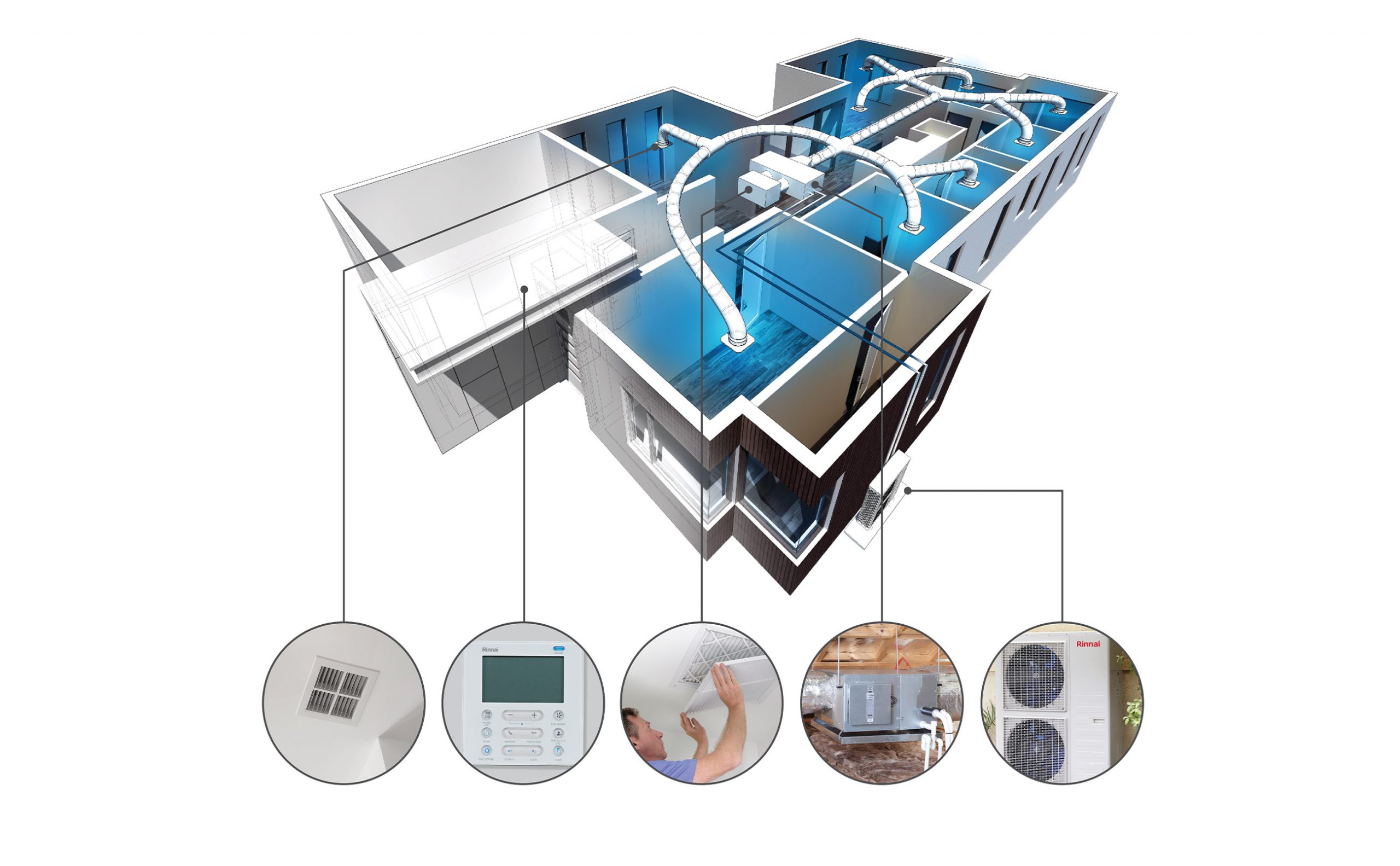
If you currently have gas ducted heating and you love the look of the vents in the ceiling or floor, this is the logical replacement. We install a central indoor unit, usually in the roof space or under the floor, which sends conditioned air to every room. Modern ducted systems allow for sophisticated zoning, meaning you can use a tablet or your phone to turn off the heating in the spare rooms or the dining area when they are not in use.
Multi-Head Split Systems
This is a fantastic solution for double-storey homes or houses where there is no space for large ducts. One outdoor compressor unit can power up to five different indoor units. This gives you individual control of a split system in every room without having five different motors sitting in your backyard or on your balcony.
There is a persistent myth that electric heating struggles when the temperature drops near zero. While this might have been true for early models twenty years ago, it is certainly not the case in 2026.
Modern heat pumps are designed to operate in climates far harsher than a Melbourne winter. Brands like Daikin, Mitsubishi Electric and Carrier build units that can maintain their full heating capacity even when the outside temperature is well below freezing.
Actually, because electric systems provide a more constant and "gentle" heat, they are often better at maintaining warmth in large, open-plan Melbourne homes. They don't just dump hot air into the room; they circulate it effectively to ensure there are no cold spots. If your home is well-insulated, an electric system will keep you perfectly cosy even on the frostiest July morning.
Making the transition is a straightforward process, but it does require professional planning to ensure you get the best results. Here is how we handle the process at EcoOrigin.
First, we conduct a thorough home assessment. We look at your windows, your ceiling height and your existing insulation. This allows us to calculate the exact "heat load" of your home. If a system is too small, it will work too hard and use too much power. If it is too large, it will cycle on and off too frequently.
Second, we recommend a system that fits your lifestyle. If you spend most of your time in a home office, we make sure that zone is optimised for comfort. Once you approve the system and agree with our quotation, our team of licensed installers handles everything. This includes the installation of the new units, the electrical work and the safe decommissioning of your old gas unit.
Finally, we handle the most important part: the compliance and the rebates. As an accredited provider under the Victorian Energy Upgrades program, we make sure all the paperwork is done correctly so you can receive an upfront rebate without any stress.
One of the biggest reasons to switch right now is the support provided by the Victorian Government. Through the Victorian energy rebate, homeowners can access up to $9000 in rebates to move away from inefficient gas heating.
This Victorian energy rebate is designed to lower the upfront cost of purchasing a high-efficiency reverse cycle system. Because EcoOrigin is an accredited provider, we can apply these discounts directly to your quote. This means you aren't waiting months for a cheque in the mail; the savings are baked into the price of the installation.
If you would like to know more about the Victorian Energy Rebate,
you can read this blog : Victorian Energy Rebate - Explained & How To Apply
The era of gas heating in Melbourne is winding down. Between the rising costs of fossil fuels, the clear health benefits of clean air and the incredible efficiency of modern heat pump technology, there has never been a better time to make the switch.
By choosing to electrify your home, you are doing more than just buying a new appliance. You are investing in a more comfortable living space, a healthier environment for your family and a home that is ready for the future of Victoria.
At EcoOrigin, we specialise in helping Melbourne homeowners navigate this transition. We understand the local climate and we know exactly which systems will provide the best return on investment for your specific property. If you are ready to stop paying the "gas tax" and start enjoying a more efficient home, we are here to help you every step of the way.
Why are Australian households switching away from gas?
Rising gas prices, government push towards electrification and more efficient electric systems are driving the shift.
Why is gas being phased out in Victoria?
Since 2024, new homes can’t connect to gas. The goal is to reduce emissions and move towards renewable energy.
What is cheaper, gas or electric heating in Australia?
Electric heating is often cheaper overall due to higher efficiency, especially with reverse cycle systems.
Is it cheaper to use gas or electric to heat your home?
In most cases, electric is cheaper long-term because it uses less energy to produce the same heat.
How much rebate can I get for switching from gas to electric aircon?
While the exact amount differs based on the system type, size and your home’s eligibility, you can get rebates of up to $9,000 under the Victorian Energy Upgrades program.