
Midea MDV-V244WN1(AU)-A MiniVRF- Review
Major Benefits
The era of cheap gas in Victoria is officially over. With residential gas bills climbing, data from Energy Victoria now confirms that switching to all-electric heating can save the average existing household up to $1900 per year. But for owners of large, double-storey homes, this transition requires a specific kind of power. While standard split systems are fantastic for individual zones, conditioning a sprawling 5-bedroom property typically requires a more integrated approach.
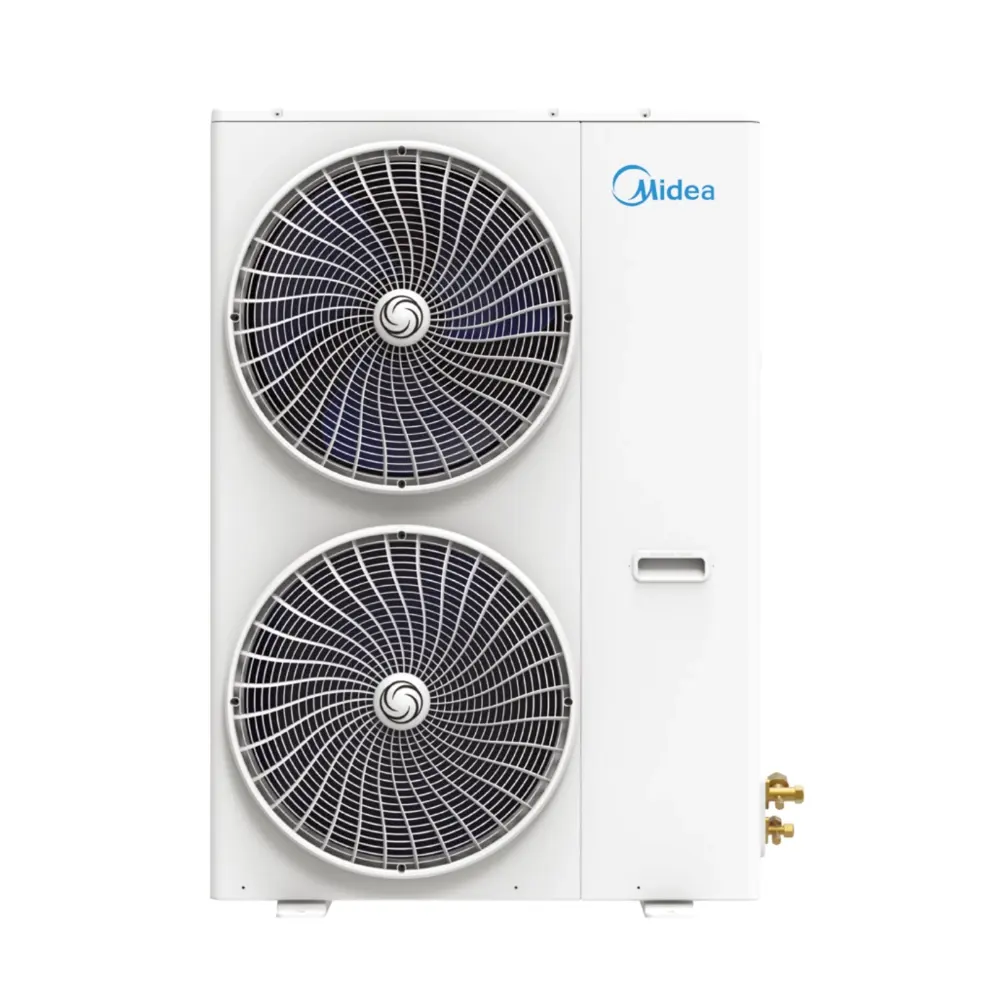
Enter the Midea MDV-V244WN1(AU)-A.It is a 24.4kW Mini VRF powerhouse engineered to deliver whole-home climate control from a single, streamlined outdoor unit. In this review, we break down how this specific model bridges the gap between commercial capacity and residential comfort and why it might be the smartest financial move you make this year.
We will also understand how you can make maximum savings by opting for air conditioning rebate in Victoria. So read it till the end.
What Is the Midea MDV-V244WN1(AU)-A Mini VRF System
The Midea MDV-V244WN1(AU)-A sits in a category that many homeowners have heard about but do not fully understand. Mini VRF.
VRF stands for Variable Refrigerant Flow. In simple terms, it is a system that adjusts how much refrigerant is sent to each indoor unit based on real-time demand. Instead of switching fully on or off, the system constantly fine-tunes itself. This allows it to deliver precise comfort while using less energy.
A Mini VRF system takes that same commercial-grade idea and adapts it for large homes and light commercial spaces. It bridges the gap between traditional multi-split systems and full commercial VRF setups.
Compared to a standard multi-split, a Mini VRF system like the MDV-V244WN1(AU)-A offers:
- Better capacity control
- More stable temperatures
- Higher efficiency under part load
- Greater design flexibility
Performance and Capacity of the Midea MDV-V244WN1(AU)-A
The Midea MDV-V244WN1(AU)-A is a high-capacity Mini VRF system designed for large residential and light commercial applications.
The outdoor unit is rated for:
This places the system firmly in the category of solutions designed for large homes with multiple living areas, several bedrooms and varying usage patterns throughout the day.
Rather than pushing maximum output to every room at once, the system is designed around diversity. Different spaces demand comfort at different times and this system adjusts accordingly.
This capacity allows the system to:
- Comfortably serve up to six indoor units from one outdoor unit
- Support mixed room sizes using different indoor unit capacities
- Deliver stronger performance to living areas during peak use while reducing output to unused zones.
How Does the Midea Mini-VRF System Perform in Victorian Climate?
The MDV-V244WN1(AU)-A is designed to operate reliably across a wide range of outdoor temperatures. According to Australian specifications, the system can operate:
- In cooling mode from minus 5 degrees Celsius to 55 degrees Celsius
- In heating mode, from minus 15 degrees Celsius to 27 degrees Celsius
For Victorian homes, this wide operating range is critical. Winter mornings in colder regions and intense summer heatwaves both place heavy demands on heating and cooling systems. A unit that maintains stable performance under these conditions delivers better comfort and avoids the stress that can shorten system life.
Indoor Unit Compatibility and Zoning Flexibility
One of the key reasons homeowners look at a Mini VRF system like the Midea MDV-V244WN1(AU)-A is flexibility inside the home. Instead of treating the entire house as a single space, this system allows comfort to be managed room by room.
The outdoor unit supports up to six indoor units, all operating independently. This makes it well-suited to larger homes where different areas are used at different times of the day.
Indoor unit compatibility is focused on wall-mounted systems across a range of capacities. Smaller rooms, such as bedrooms and studies, can be paired with lower-capacity indoor units, while larger spaces like open-plan living areas can be matched with higher-capacity units. This avoids over-conditioning small rooms and helps maintain balanced comfort throughout the home.
Energy Efficiency and Inverter Performance
The system uses less energy because it adjusts to how the home is actually used and how the weather changes. Here’s how the system is built for efficiency.
- Full DC Inverter Operation: The system uses full DC inverter technology to vary compressor speed continuously. Instead of running at full capacity and stopping repeatedly, output is matched to demand in real time. This reduces unnecessary energy use and helps maintain stable indoor temperatures.
- Efficient Performance at Partial Load: Most homes do not use all zones at once. When only a few indoor units are operating, the system lowers output instead of wasting power. This partial-load efficiency is where long-term energy savings are typically achieved.
- Reduced Cycling and Smoother Output Control: By modulating capacity rather than switching on and off, the system avoids frequent cycling. This not only improves comfort but also enhances efficiency and reduces mechanical stress over time.
Midea MDV-V244WN1(AU)-A Indoor Comfort
The Midea MDV-V244WN1(AU)-A is designed to deliver stable comfort across multiple zones while keeping operation controlled and unobtrusive.
- Stable Temperature Control Across Multiple Zones: The system uses full DC inverter technology to adjust output continuously rather than cycling on and off. This allows each indoor unit to receive only the capacity it needs at any given moment. The result is steadier indoor temperatures, fewer fluctuations and a more balanced feel across different rooms in the home.
- Lower Indoor Noise During Normal Operation: Because the system modulates capacity instead of running at full output, indoor units often operate at lower fan speeds. This reduces airflow noise and makes the system less noticeable in bedrooms, studies and living areas during everyday use.
- Smart Control Through WiFi Connectivity: WiFi functionality is available as an option, allowing the system to be controlled through the SmartHome app. Homeowners can adjust temperatures, switch operating modes and manage zones remotely. This level of control helps reduce unnecessary operation and improves comfort in larger homes with varied usage patterns.
- Improved Air Distribution Within Each Room: Compatible indoor units offer automatic vertical airflow adjustment, with optional horizontal swing on selected wall-mounted models. This helps distribute conditioned air more evenly throughout the room, reducing hot and cold spots and improving overall comfort without relying on higher fan speeds.
VEU Rebate and Long-Term Cost Considerations
For many Victorian homeowners, the long-term value of a heating and cooling system is closely tied to how it aligns with the split-system rebate in Victoria. This air conditioning rebate operates on defined eligibility requirements.
Some of the key eligibility considerations for Victorian energy rebate include:
- The selected model must be from VEU approved list
- You must replace an older, inefficient system with an energy-efficient system
- An accredited provider must ensure that installation is done as per VEU guidelines.
Accredited providers are responsible for ensuring that system design, installation practices and compliance records align with the program’s standards. Without this oversight, potential savings may not be accessible, regardless of the system chosen.
High-capacity inverter-driven systems like the Midea MDV-V244WN1(AU)-A are engineered with efficiency in mind. Features such as zoning capability and variable output align well with the intent of energy efficiency programs, which focus on reducing unnecessary energy use across the home.
If you are considering this system and need clarity around VEU eligibility, the next step is a professional assessment. EcoOrigin offers no-obligation consultations to help you understand whether a system like the MDV-V244WN1(AU)-A fits within current program requirements. Most importantly, is the right system for you or do you have a better option? This approach helps ensure efficiency considerations are addressed upfront and you get the right air conditioning system in Australia that suits your home.
Conclusion
The Midea MDV-V244WN1(AU)-A stands out as a well-engineered Mini VRF system aimed at larger residential applications. Its strength lies in how it balances capacity, zoning flexibility and energy-aware operation without pushing homeowners toward overly complex solutions.
What makes this system compelling is the ability to support multiple indoor units, share capacity dynamically and operate efficiently across a wide temperature range makes it suitable for real Australian conditions. It is a system designed for homes that need consistent comfort across many spaces.
For those considering the MDV-V244WN1(AU)-A, the most important step is understanding whether the home and usage patterns justify a Mini VRF approach. When that alignment is right, this system becomes a practical and forward-looking option for modern residential heating and cooling.
FAQs
1. How much rebate do you get?
With EcoOrigin, you can save up to $8,000 with air conditioning rebate. The final amount depends on your specific property and the system installed, but we specialise in maximising your VEU claim to significantly reduce your upfront costs.
2. How much can I save on bills by switching to electric?
Data from the Victorian Government indicates that switching from gas to efficient electric heating can save an average existing household around $1,900 per year. Additionally, you can reduce your upfront cost of upgrading to energy-effiecient air conditioner with the help of an air conditioning rebate.
3. What is the difference between Mini VRF and standard multi-splits?
Standard multi-splits often simply turn on or off. A Mini VRF (Variable Refrigerant Flow) constantly adjusts the refrigerant level to match the exact demand of each room, resulting in smoother temperatures and lower energy use.
4. Will it work in extreme Melbourne weather?
Absolutely. The system is rated to heat in temperatures as low as -15°C and cool in heat up to 55°C, handling the worst Victorian extremes with ease.
5 How long is the warranty?
Midea provides a 7-year warranty, which is two years longer than the industry standard. This covers the unit as long as it is installed and serviced by a licensed professional.
