
Hisense AirQ Premium Ducted (Model AUD-180U4RSH1) - Review
Major Benefits
Modern ducted systems are judged by how consistently they control temperature, how efficiently they run over long hours and how well they integrate with zoning. These are the factors that determine whether a home feels comfortable day to day or frustratingly uneven.
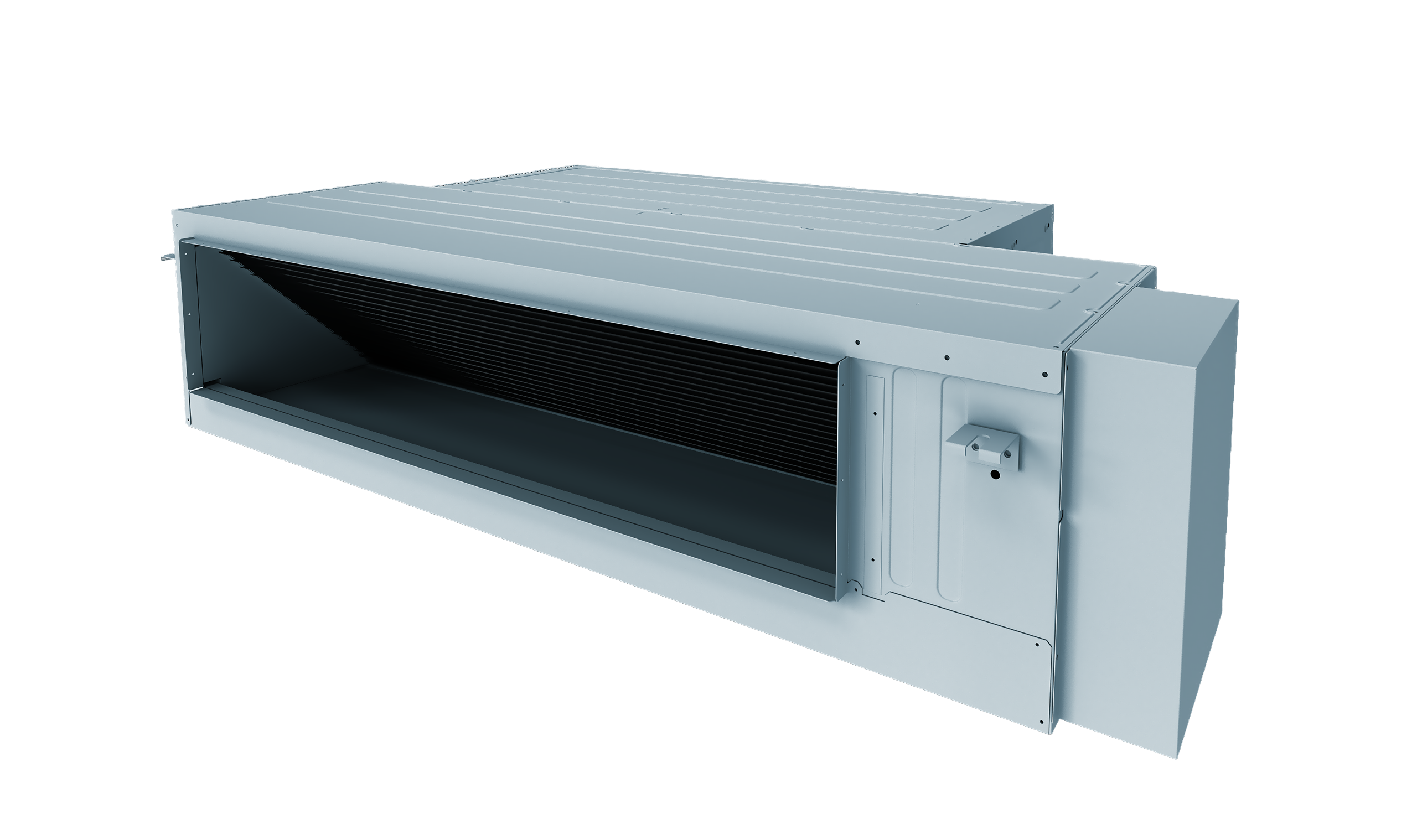
The Hisense AirQ Premium Ducted AUD-180U4RSH1 pairs an 18 kW capacity with inverter-driven modulation and zoning compatibility, making it relevant for larger homes where comfort depends on stability rather than raw power.
But is it right for your home? What kind of features does it offer? Does it qualify for an air conditioner rebate in Victoria? Read this blog till the end to get all the answers.
Table of contents
- Who This System Is Designed For
- System Overview and Where It Sits in the Hisense Line-Up
- Hisense AirQ Premium AUD-180U4RSH1: Key Features
- Cooling and Heating Performance
- Pros and Cons of the Hisense AirQ Premium Ducted AUD-180U4RSH1
- Hisense AirQ Premium Ducted AUD-180U4RSH1 Rebate Eligibility
- Final Thoughts
- Frequently Asked Questions
Who This System Is Designed For
The Hisense AirQ Premium Ducted AUD-180U4RSH1 is best suited for homeowners who fall into one or more of the following categories:
- Owners of medium to large Australian homes, typically with multiple bedrooms, living areas or open-plan layouts
- Households that want zoned comfort, rather than cooling or heating the entire home at once
- Families who use air conditioning daily across seasons, not just during heatwaves
- Homeowners planning to stay long term, where efficiency, reliability and durability matter more than the lowest upfront price
- Buyers who value smart control, quieter operation and stable temperatures, rather than aggressive on-off cycling.
Hisense AirQ Premium Ducted AUD-180U4RSH1 System Overview
The Hisense AirQ Premium Ducted range sits above entry-level ducted systems within the Hisense portfolio. The emphasis is not just on capacity, but on how the system delivers that capacity, how it adapts to changing loads and how it protects itself over time.
The AUD-180U4RSH1 is a matched indoor and outdoor system designed to operate as a complete HVAC solution. The indoor unit delivers an airflow range of approximately 1700 to 1900 cubic metres per hour, which supports steady distribution across multiple zones when paired with the correct duct design. Sound pressure levels are rated at 58 to 62 dB(A) depending on operating mode, which is typical for a high-capacity ducted indoor unit and designed to be unobtrusive once installed above ceilings.
The outdoor unit draws approximately 5.28 kW in cooling mode, operates at around 58 dB(A) sound pressure and weighs 90 kg, reflecting its solid construction and compressor size. Dimensions are approximately 950 × 330 × 785 mm, which installers must factor into placement planning.
Being part of the AirQ Premium Ducted series means this model includes Full DC inverter operation, advanced protection logic, smart control compatibility and features aimed at improving long-term reliability rather than just short-term performance.
Hisense AirQ Premium AUD-180U4RSH1 : Key Features
The features below directly influence how stable the home feels, how efficiently the system runs and how well it holds up over years of daily use.
Comfort and Air Quality Features
Anti-Cold Air technology prevents uncomfortable blasts of cold air during startup, particularly when switching into heating mode. This is especially noticeable during Victorian winters, where early morning heating can feel harsh with older systems.
Faster Cooling allows the system to respond more aggressively when there is a sudden demand, such as returning home on a hot afternoon. The system ramps output intelligently rather than slowly creeping toward the set temperature.
The self-cleaning indoor unit helps reduce moisture and residue buildup on internal components. Over time, this supports more consistent airflow and reduces the conditions that lead to odours or reduced efficiency.
HI-NANO air purification targets fine particles and odours, improving perceived air quality inside the home. While it does not replace ventilation, it adds a layer of comfort for households sensitive to dust or stale air.
High heating performance is critical in climates where heating demand is sustained rather than occasional. This system is designed to maintain output consistency rather than dropping performance sharply in colder conditions.
Smart Control and Everyday Convenience
Zone control allows different parts of the home to be conditioned independently. This is one of the most effective ways to reduce wasted energy and improve comfort.
The Hi-Touch controller with built-in Wi-Fi provides a modern, intuitive interface for daily use. When paired with the ConnectLife app, users can monitor and control the system remotely, adjust zones and check operating status from a smartphone.
Voice control compatibility integrates with smart home ecosystems, while features like child lock and group control add practical usability in family households.
Protection, Reliability and Longevity
The anti-corrosion Golden Fin coating protects the heat exchanger from moisture and environmental exposure. This is particularly valuable in Australian conditions, where humidity and airborne contaminants can accelerate wear.
Insect prevention, PCB design and a solid plastic drain pan address two common long-term failure points in ducted systems. These features reduce the risk of electrical damage and water-related issues.
Leakage detection, low-pressure protection, intelligent defrost, auto restart and error code display all contribute to safer operation and easier servicing. These features work quietly in the background but play a major role in system longevity.
Installation Flexibility and System Intelligence
Flexible duct static pressure settings allow installers to tune the system to match the duct layout. This is essential for balanced airflow and quiet operation.
Long pipe control provides greater flexibility in outdoor unit placement, which can be critical on larger blocks or architecturally complex homes.
Demand response capability and energy consumption monitoring position the system well for modern energy management programs and informed energy use.
Cooling and Heating Performance Explained Simply
At 18 kW, the AUD-180U4RSH1 offers enough capacity to comfortably manage the thermal load of larger homes when the system is designed correctly. However, performance is not just about capacity. It is about how that capacity is delivered throughout the home.
The indoor unit’s airflow range of approximately 1700 to 1900 m³/h allows the system to distribute air steadily across multiple zones. This supports consistent temperatures rather than sharp differences between rooms. When paired with properly sized ducts and zoning, this helps avoid common issues such as one room overheating while another struggles to reach set temperature.
Cooling Performance
In cooling mode, the system offers an EER of 3.200 / 3.177. EER or Energy Efficiency Ratio, tells you how effectively the unit converts electrical power into cooling. These figures indicate that the system is designed to deliver consistent cooling without excessive power draw, especially during extended summer operation.
Heating Performance
For heating, the unit achieves a COP of 3.797 / 3.770. COP or Coefficient of Performance, reflects how much heat is produced for each unit of electricity consumed. These values are particularly relevant for Victoria, where heating demand can stretch across long winter periods.
What this means for homeowners:
- More heat output per unit of energy used
- Better suitability for daily, prolonged heating
- Less frequent system cycling, which supports long-term reliability
Taken together, the cooling EER, heating COP and airflow capacity suggest a system engineered for steady, whole-home comfort.
Pros and Cons of the Hisense AirQ Premium Ducted AUD-180U4RSH1
Hisense AirQ Premium Ducted AUD-180U4RSH1 Rebate Eligibility
For homeowners considering the Hisense AirQ Premium Ducted AUD-180U4RSH1, understanding this process helps avoid missed savings or confusion later.
Step 1: Engage an Accredited Provider First
The rebate process begins by engaging a VEU-accredited provider before installation takes place. This step matters because only accredited providers are authorised to assess eligibility, supply approved products and apply rebates correctly.
At this stage, the provider:
- Confirms whether the selected model is approved under current VEU requirements
- Advises on rebate applicability based on the proposed installation
- Guides the process from assessment through to installation
Without this step, rebates cannot be applied retrospectively
Step 2: Confirm the System Is an Approved Product
Not every air conditioning system qualifies under the Victorian Energy Upgrades program. The model must be listed as an approved upgrade at the time of installation.
The AUD-180U4RSH1, as part of the Hisense AirQ Premium Ducted range, sits within the category of systems designed to meet current efficiency and control expectations. However, approval is always assessed at the time of installation, not assumed.
This step ensures the system itself is eligible to proceed through the rebate pathway.
Step 3: Installation Is Done Under the Guidance of Accredited Provider
Once eligibility of air conditioning rebate in Victoria is confirmed, the accredited HVAC expert completes the installation of the approved system under the guidance of accredited provider like EcoOrigin. The installation must:
- Be carried out by the accredited provider or under their authority
- Align with current VEU guidelines
- Match the approved product details exactly
This step links the physical installation to the rebate framework.
Step 4: The Rebate Is Applied as an Upfront Discount
Under the VEU structure, air conditioning rebate is typically applied as an upfront discount, rather than a payment claimed later by the homeowner. This means the benefit is reflected directly in the installation cost, provided all conditions are met.
Final Thoughts
The Hisense AirQ Premium Ducted AUD-180U4RSH1 is designed for consistent, whole-home comfort rather than short-term peak performance. Its inverter-driven operation, stable efficiency and zoning capability make it well-suited to Australian homes that rely on ducted heating and cooling across seasons.
As with any premium reverse-cycle ducted system, the outcome depends on correct system selection, compliant installation and how the system is configured for daily use. Air conditioning rebate in Victoria can further improve value when the process is handled correctly from the start.
As a VEU-accredited provider, EcoOrigin supports this end-to-end process and offers a free, no-obligation site assessment, allowing homeowners to understand system suitability and potential rebates before committing. This helps ensure the system performs as intended and available savings are not missed.
Frequently Asked Questions
1. Is the Hisense AirQ Premium ducted air conditioner any good?
The Hisense AirQ Premium ducted range is designed for consistent, whole-home heating and cooling. It focuses on stable performance, inverter efficiency and long run-time comfort rather than aggressive peak output.
2. Is Hisense ducted air conditioning reliable in Australia?
Hisense ducted systems sold in Australia are designed to meet local operating conditions and come with a 7-year warranty, provided installation and servicing requirements are met.
3. What is the warranty on the Hisense AirQ Premium ducted system?
The Hisense AirQ Premium Ducted range comes with a 7-year warranty, subject to installation and servicing conditions.
4. What is the VEU rebate in Victoria?
The Victorian Energy Upgrades (VEU) rebate is a government program that offers rebates on energy-efficient upgrades, including eligible air conditioning systems, when installed by an accredited provider.
5. Who is eligible for the VEU rebate?
Eligibility generally depends on the property being located in Victoria, the upgrade meeting current VEU requirements and the installation being completed under the supervision of a VEU-accredited provider.
